In today's rapidly evolving tech landscape, the integration of artificial intelligence into the development process isn't just a luxury—it's becoming a necessity. After years of traditional development practices, I've discovered that adopting an "AI first" approach can dramatically boost productivity while maintaining code quality.
What is AI-first Development?
AI-first development is a methodology where artificial intelligence tools and techniques are integrated from the very beginning of the development lifecycle. Rather than treating AI as an afterthought or add-on feature, it becomes a core component of how we ideate, design, code, test, and deploy applications.
This approach encompasses several key areas:
- Code Generation: Using AI to write boilerplate code, generate functions, and create entire modules
- Quality Assurance: Automated testing, code review, and bug detection powered by AI
- Architecture Planning: AI-assisted system design and database modeling
- Documentation: Automatic generation of technical documentation and comments
Practical Implementation Strategies
Implementing AI-first development doesn't mean replacing human creativity and problem-solving. Instead, it's about augmenting our capabilities and focusing our energy on high-value tasks.
1. Start with Code Generation
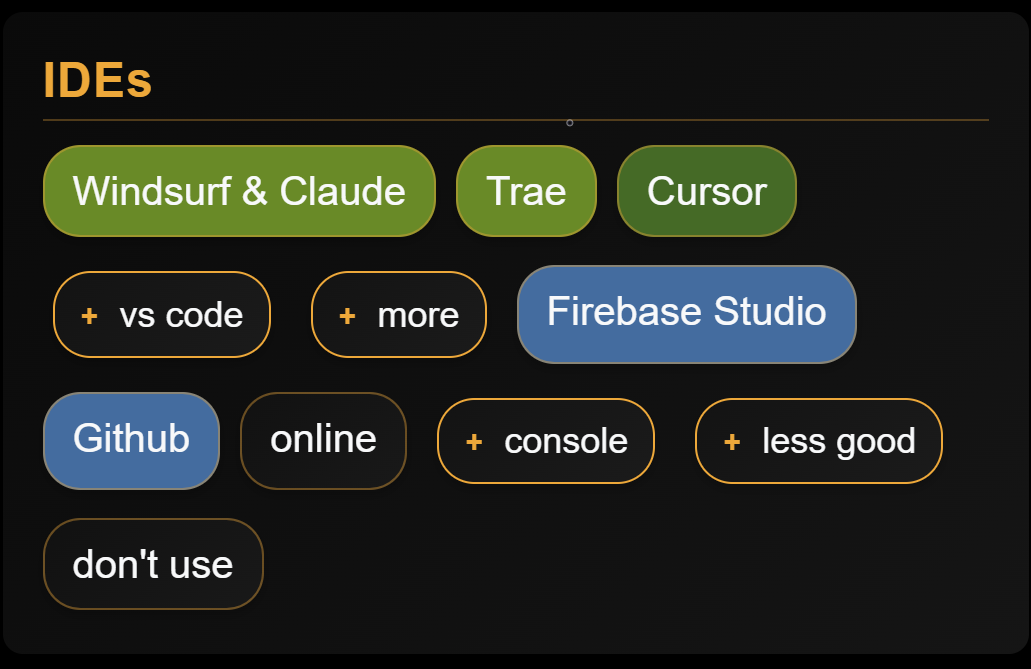
Begin by using AI tools like GitHub Copilot, ChatGPT, or Claude for generating repetitive code structures. I've found this particularly effective for:
- Database schema creation and migration scripts
- API endpoint boilerplate in PHP
- JavaScript event handlers and DOM manipulation
- CSS responsive design patterns
"The key is don't let AI write everything, but to use it as a smart autocomplete that understands context and best practices."
2. Automated Testing and Quality Assurance
AI excels at pattern recognition, making it perfect for identifying bugs and security vulnerabilities. Integrate AI-powered tools into your CI/CD pipeline to:
- Generate comprehensive test cases
- Perform static code analysis
- Detect security vulnerabilities
- Optimize database queries
3. Smart Documentation
One of the most time-consuming aspects of development is maintaining documentation. AI can help by:
- Generating inline code comments
- Creating API documentation from code
- Writing user manuals and technical guides
- Maintaining changelog entries
Common Pitfalls to Avoid
While AI-first development offers tremendous benefits, there are several pitfalls that developers should be aware of:
Over-reliance on AI
Don't let AI make all the decisions. Always review generated code for logic errors, security issues, and alignment with your project's architecture. AI is a tool, no replacement for critical thinking.
Ignoring Context
AI tools work best when provided with sufficient context. Always include relevant information about your project structure, coding standards, and business requirements when requesting AI assistance.
Security Blindness
AI-generated code may doesn't always follow the latest security best practices. Always perform security reviews, especially for authentication, data validation, and database interactions.
Measuring Success
To truly understand the impact of AI-first development, track these key metrics:
- Development Speed: Time from concept to deployment
- Code Quality: Bug reports and technical debt accumulation
- Team Satisfaction: Developer happiness and reduced repetitive work
- Maintenance Overhead: Time spent on bug fixes and updates
The Future of AI-first Development
As AI tools continue to evolve, we can expect even more sophisticated integration into the development process. The future likely holds:
- AI-powered project managers that can estimate timelines and allocate resources
- Intelligent debugging tools that can trace complex issues across multiple systems
- Automated performance optimization based on real-world usage patterns
- Natural language interfaces for database queries and system administration
Conclusion
AI-first development isn't about replacing developers—it's about empowering them to focus on creative problem-solving and strategic thinking while AI handles the routine tasks. By embracing this approach, teams can deliver higher-quality applications faster while reducing the burden of repetitive work.
The key to success lies in finding the right balance between AI assistance and human oversight. Start small, experiment with different tools, and gradually integrate AI into your workflow. The productivity gains will speak for themselves.
As we move forward, the question isn't whether to adopt AI-first development, but how quickly we can adapt our processes to leverage these powerful tools effectively.